In this article15
- Why Website Design Trends Matter
- 1. Minimalist Website Design
- 2. Mobile-First Design
- 3. Large Typography
- 4. Dark Mode Interfaces
- 5. Interactive UI Elements
- 6. AI-Powered Personalization
- 7. Fast Loading Lightweight Websites
- 8. Conversion-Focused Layouts
- 9. Responsive Design Systems
- 10. Modern Visual Branding
- Why Businesses Should Follow Modern Web Design Trends
- Why Choose DigiFlav for Modern Website Design?
- Final Thoughts
- FAQs
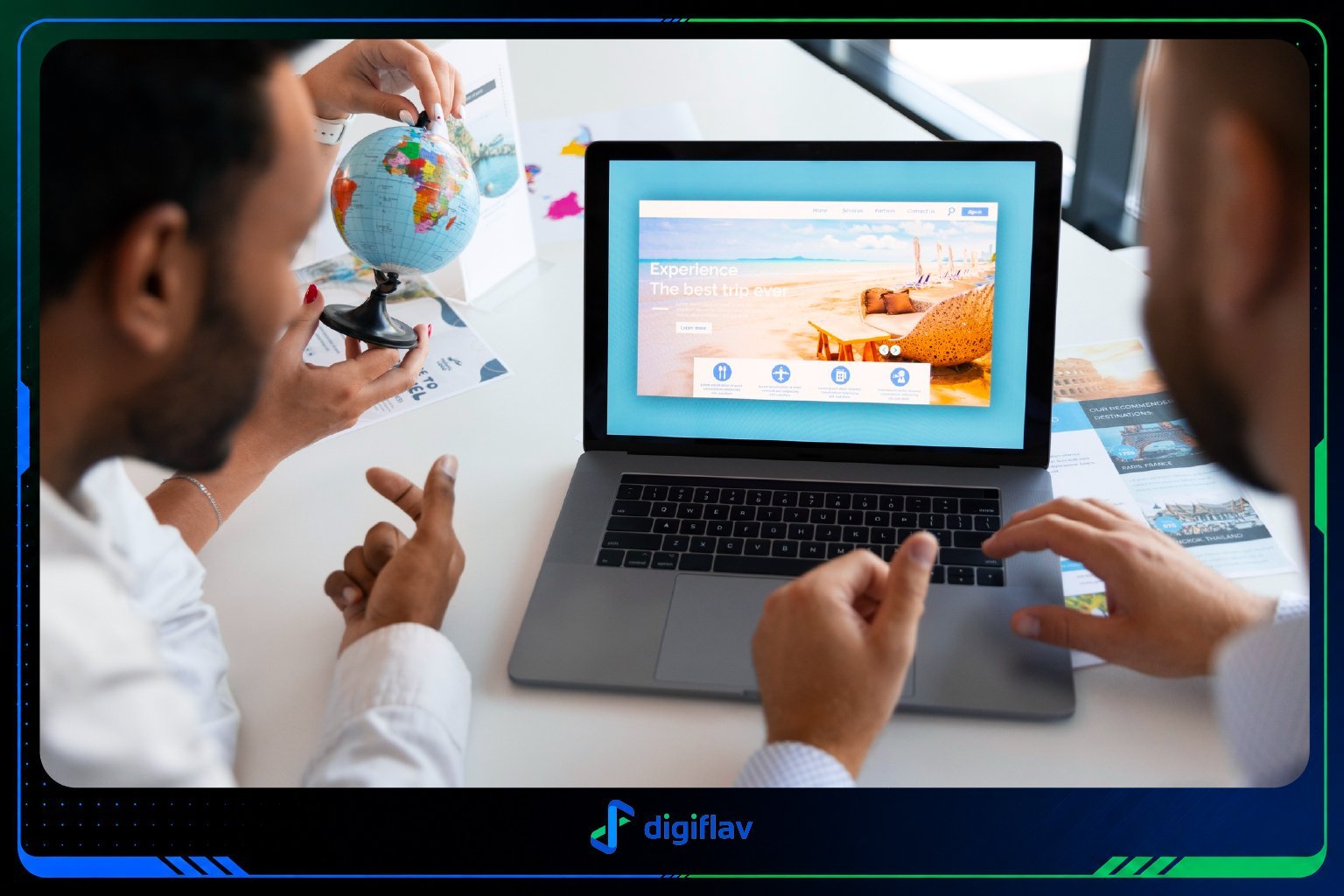
Website design trends continue to evolve as businesses focus more on user experience, mobile responsiveness, and conversion optimization. In 2026, modern websites are becoming cleaner, faster, and more interactive while prioritizing usability and performance.
Businesses that follow modern web design trends often create stronger customer impressions and improve online engagement.
Why Website Design Trends Matter
Modern customers expect professional digital experiences. Outdated websites can reduce trust and increase bounce rates.
Keeping up with web design trends helps businesses:
- Improve user experience
- Increase engagement
- Build trust
- Improve conversions
- Stay competitive
- Support SEO performance
1. Minimalist Website Design
Minimalist design continues to dominate modern websites.
Key features include:
- Clean layouts
- More white space
- Simple navigation
- Clear messaging
- Focused visuals
Minimal designs improve readability and reduce distractions.
2. Mobile-First Design
Mobile traffic now dominates internet usage. Websites are being designed for mobile users first before desktop versions.
Mobile-first design improves:
- User experience
- Speed performance
- Search rankings
- Accessibility
3. Large Typography
Bold typography is becoming a major design trend in 2026.
Large text helps businesses:
- Capture attention
- Improve readability
- Highlight key messages
- Strengthen brand identity
4. Dark Mode Interfaces
Dark mode designs remain highly popular due to their modern appearance and visual comfort.
Benefits include:
- Reduced eye strain
- Modern aesthetics
- Improved visual contrast
- Better battery efficiency on some devices
5. Interactive UI Elements
Interactive experiences improve engagement and user retention.
Popular interactive elements include:
- Hover animations
- Scroll effects
- Interactive menus
- Dynamic transitions
- Micro-interactions
6. AI-Powered Personalization
AI is influencing website experiences through personalized content and smart recommendations.
Examples include:
- Product recommendations
- Personalized homepage content
- AI chat support
- Dynamic user experiences
7. Fast Loading Lightweight Websites
Website speed is now one of the most important ranking and usability factors.
Businesses are prioritizing:
- Lightweight code
- Optimized images
- Faster hosting
- Clean development practices
8. Conversion-Focused Layouts
Modern websites are being designed with conversion optimization in mind.
This includes:
| Conversion Element | Purpose |
|---|---|
| Clear CTA Buttons | Increase actions |
| Simplified Navigation | Improve usability |
| Social Proof | Build trust |
| Clean Forms | Generate leads |
| Strategic Layouts | Improve conversions |
9. Responsive Design Systems
Responsive websites automatically adapt to different screen sizes and devices.
Responsive design improves:
- Mobile usability
- SEO performance
- Accessibility
- Customer experience
10. Modern Visual Branding
Businesses are using stronger branding systems across websites.
This includes:
- Consistent typography
- Brand colors
- Unique illustrations
- Modern iconography
- Visual storytelling
Why Businesses Should Follow Modern Web Design Trends
Modern web design directly impacts customer trust and online performance.
Businesses with updated websites often see:
- Higher engagement
- Better conversion rates
- Improved SEO visibility
- Stronger brand perception
Why Choose DigiFlav for Modern Website Design?
DigiFlav creates modern, responsive, and conversion-focused websites that align with the latest web design trends in 2026.
Final Thoughts
The best website design trends for 2026 focus on speed, simplicity, responsiveness, and user experience. Businesses that modernize their websites improve customer trust, SEO performance, and conversion rates.
Keeping websites visually modern and technically optimized is essential for staying competitive in today’s digital market.
FAQs
1. What is the biggest website design trend in 2026?
Minimalist and mobile-first design remain among the biggest web design trends in 2026.
2. Why is responsive design important?
Responsive design improves usability across mobile, tablet, and desktop devices.
3. Does DigiFlav create modern websites?
Yes, DigiFlav designs responsive and conversion-focused websites based on the latest industry trends.
4. How does website speed affect SEO?
Faster websites improve user experience and help websites rank better in search engines.
5. What makes a website look modern?
Clean layouts, responsive design, strong typography, fast speed, and consistent branding help websites look modern.
Planning a website, brand or SEO push?
Talk to the team behind this guide. We’ll map the fastest route for your business — no obligation.
✓ Response within 1 business day
✓ Free 45-minute discovery call
✓ Fixed estimates — no surprise invoices