In this article19
- What Is Brand Identity?
- Why Brand Identity Matters More Than Ever in 2026
- Understanding the Difference Between Brand Identity and Branding
- Step 1: Define Your Brand Purpose
- Step 2: Identify Your Target Audience
- Step 3: Develop Your Brand Positioning
- Step 4: Create a Professional Logo
- Step 5: Choose Strategic Brand Colors
- Step 6: Select Brand Typography
- Step 7: Establish Your Brand Voice
- Step 8: Build a Consistent Website Experience
- Step 9: Create Brand Guidelines
- Step 10: Apply Branding Across Every Touchpoint
- Common Brand Identity Mistakes to Avoid
- Brand Identity Trends in 2026
- Why Businesses Choose DigiFlav for Branding Services
- How Strong Brand Identity Drives Business Growth
- Conclusion
- FAQs
In today’s highly competitive digital landscape, businesses need more than a great product or service to succeed. Customers are constantly exposed to thousands of brands online, making it increasingly difficult to stand out. This is where a strong brand identity becomes essential.
A well-developed brand identity helps businesses create recognition, build trust, attract ideal customers, and establish long-term loyalty. In 2026, branding is no longer optional—it is a critical component of business growth and market positioning.
Whether you are launching a startup, growing an established company, or planning a rebrand, understanding how to build a strong brand identity can significantly impact your success.
What Is Brand Identity?
Brand identity is the collection of visual, verbal, and emotional elements that define how a business presents itself to customers.
It includes everything people see and experience when interacting with your brand.
Key components include:
- Logo design
- Brand colors
- Typography
- Brand voice
- Messaging
- Website design
- Social media presence
- Marketing materials
- Customer experience
Together, these elements create a unique and recognizable personality for your business.
Why Brand Identity Matters More Than Ever in 2026
Consumers have countless options available today. In many industries, products and services can be very similar.
A strong brand identity helps businesses:
- Build customer trust
- Increase recognition
- Create emotional connections
- Improve customer loyalty
- Differentiate from competitors
- Support long-term growth
Customers often choose brands they recognize and trust, even when alternatives offer similar products or pricing.
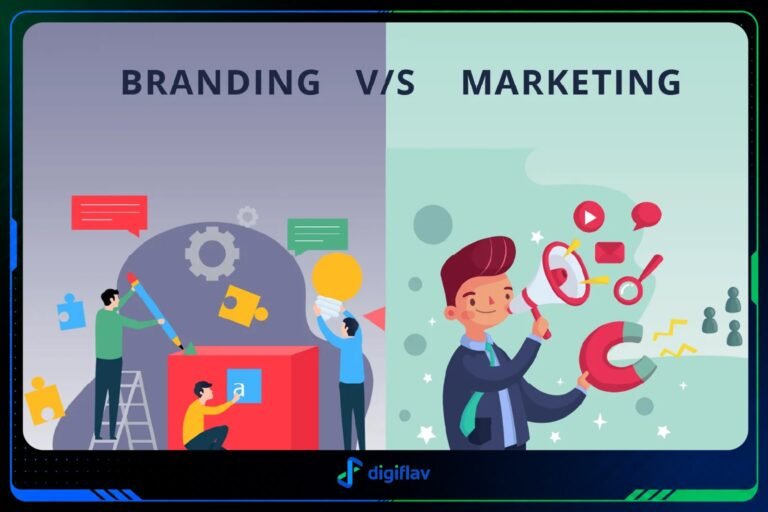
Understanding the Difference Between Brand Identity and Branding
Many people use these terms interchangeably, but they are different.
Brand Identity
Brand identity refers to the visual and strategic elements that represent a company.
Branding
Branding is the ongoing process of shaping customer perception through those identity elements.
| Brand Identity | Branding |
|---|---|
| Logo | Marketing campaigns |
| Colors | Customer experiences |
| Typography | Brand messaging |
| Visual assets | Customer interactions |
| Design system | Reputation management |
Brand identity provides the foundation, while branding brings it to life.
Step 1: Define Your Brand Purpose
Before creating visuals, businesses must clearly understand why they exist.
Ask yourself:
- What problem does the business solve?
- What values drive the company?
- What makes the business unique?
- Why should customers choose your brand?
Your purpose becomes the foundation for every branding decision.
Businesses with clear missions often create stronger customer relationships.
Step 2: Identify Your Target Audience
A strong brand identity is built around the audience you want to attract.
Understanding your customers helps guide:
- Design decisions
- Messaging
- Marketing strategies
- Brand personality
Consider:
- Age groups
- Locations
- Interests
- Buying behaviors
- Pain points
- Goals
The better you understand your audience, the more effective your branding becomes.
Step 3: Develop Your Brand Positioning
Brand positioning defines how your business differs from competitors.
Ask questions such as:
- What makes your company unique?
- What benefits do customers receive?
- What value do you provide?
- How do competitors position themselves?
Strong positioning helps businesses occupy a unique place in the minds of customers.
Step 4: Create a Professional Logo
Your logo is one of the most important visual elements of your brand identity.
A professional logo should be:
- Simple
- Memorable
- Versatile
- Timeless
- Relevant
A logo serves as the visual anchor for all branding efforts.
Customers often associate your logo directly with your reputation and service quality.
Step 5: Choose Strategic Brand Colors
Color psychology plays a major role in customer perception.
Different colors communicate different emotions.
Examples include:
| Color | Common Association |
|---|---|
| Blue | Trust and professionalism |
| Green | Growth and sustainability |
| Red | Energy and excitement |
| Black | Luxury and sophistication |
| Orange | Creativity and enthusiasm |
Consistency in color usage strengthens brand recognition over time.
Step 6: Select Brand Typography
Typography is often overlooked, but it plays a significant role in brand identity.
Fonts communicate personality.
Examples:
- Serif fonts = Traditional and trustworthy
- Sans-serif fonts = Modern and clean
- Script fonts = Elegant and creative
Most successful brands use a limited set of fonts to maintain consistency across all platforms.
Step 7: Establish Your Brand Voice
Brand identity extends beyond visuals.
The way your business communicates is equally important.
Your brand voice should remain consistent across:
- Website content
- Blog posts
- Emails
- Social media
- Advertising campaigns
Common brand voice styles include:
- Professional
- Friendly
- Authoritative
- Inspirational
- Playful
- Technical
Consistency helps customers understand your personality and values.
Step 8: Build a Consistent Website Experience
In 2026, your website often serves as your primary digital storefront.
A professionally branded website should reflect:
- Brand colors
- Typography
- Messaging
- Visual style
- User experience
Consistency across every page reinforces trust and professionalism.
Customers should immediately recognize your brand when visiting your website.
Step 9: Create Brand Guidelines
Brand guidelines help maintain consistency as your business grows.
A typical brand guide includes:
- Logo usage rules
- Color codes
- Typography standards
- Image styles
- Tone of voice
- Marketing examples
Guidelines ensure that every marketing asset reflects the same brand identity.
Step 10: Apply Branding Across Every Touchpoint
Successful branding extends beyond logos and websites.
Your identity should appear consistently across:
- Social media
- Business cards
- Packaging
- Presentations
- Advertisements
- Email signatures
- Promotional materials
Every customer interaction should reinforce the same visual and messaging standards.
Common Brand Identity Mistakes to Avoid
Many businesses weaken their branding through avoidable mistakes.
Examples include:
- Inconsistent logos
- Too many fonts
- Frequent color changes
- Generic messaging
- Copying competitors
- Lack of clear positioning
Consistency and authenticity are essential for building strong brands.
Brand Identity Trends in 2026
Modern branding trends focus on simplicity and adaptability.
Popular trends include:
- Minimalist branding
- Responsive logos
- Personalized experiences
- Motion branding
- AI-assisted design systems
- Human-centered messaging
- Sustainable brand storytelling
While trends can inspire ideas, businesses should prioritize long-term relevance over short-term popularity.
Why Businesses Choose DigiFlav for Branding Services
DigiFlav helps businesses develop powerful brand identities that support long-term growth and customer recognition.
Services include:
- Logo design
- Brand strategy
- Visual identity systems
- Website branding
- Marketing design
- Social media branding
By combining creativity with strategy, DigiFlav helps businesses create memorable and scalable brands.
How Strong Brand Identity Drives Business Growth
A strong brand identity creates measurable business advantages.
Benefits include:
- Increased customer trust
- Better brand recognition
- Higher customer retention
- Improved marketing effectiveness
- Stronger competitive positioning
- Greater perceived value
Customers are more likely to engage with brands that appear professional, consistent, and trustworthy.
Conclusion
Building a strong brand identity in 2026 requires more than designing a logo. It involves creating a complete system of visual elements, messaging, and customer experiences that work together to communicate your brand’s value.
Businesses that invest in professional branding often achieve stronger recognition, higher customer loyalty, and better long-term growth. By defining your purpose, understanding your audience, creating consistent visuals, and maintaining a unified message, you can build a brand identity that stands out in a crowded marketplace.
If you’re ready to strengthen your brand presence, DigiFlav offers professional branding services designed to help businesses create memorable and impactful identities.
FAQs
1. What is brand identity?
Brand identity is the collection of visual and messaging elements that represent a business and shape customer perception.
2. Why is brand identity important?
A strong brand identity helps businesses build trust, increase recognition, and stand out from competitors.
3. What are the main components of brand identity?
Logo design, colors, typography, messaging, website design, and brand voice are key components.
4. Does DigiFlav offer branding services?
Yes, DigiFlav provides branding, logo design, visual identity, and digital branding solutions.
5. How long does it take to build a strong brand identity?
The timeline varies depending on business goals and project scope, but creating a strategic and consistent brand identity is a long-term investment.
Planning a website, brand or SEO push?
Talk to the team behind this guide. We’ll map the fastest route for your business — no obligation.
✓ Response within 1 business day
✓ Free 45-minute discovery call
✓ Fixed estimates — no surprise invoices